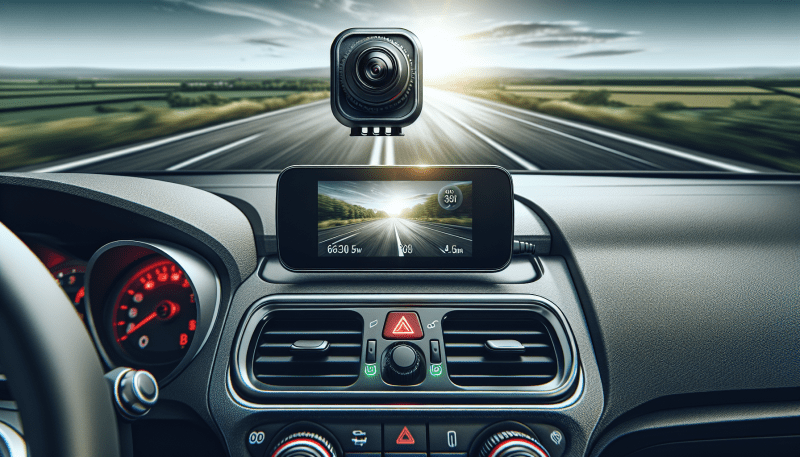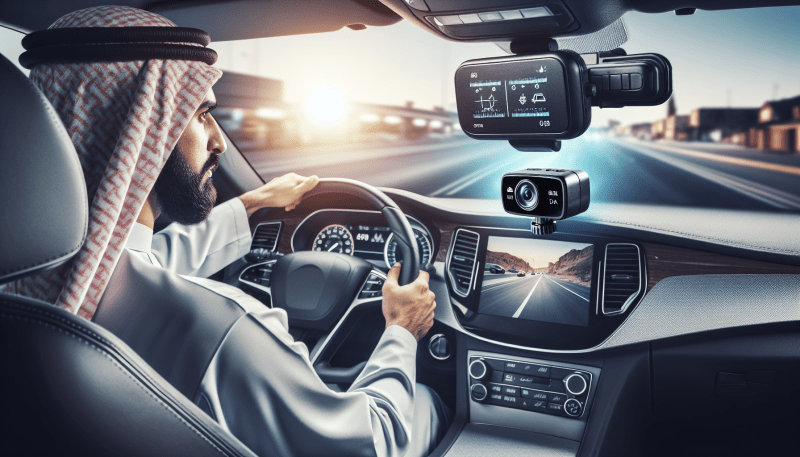
In recent years, dashboard cameras have become a common sight in vehicles around the world. It’s hard to ignore the surge in popularity, and there are good reasons for this trend. People are realizing the value of having a reliable witness when it comes to road incidents. Whether it's a minor fender bender or something more serious, having video evidence can make all the difference.
Earlier, dashboard cameras were mostly seen in commercial vehicles and trucks, but now they’re hitting the roads in personal cars too. This change can be attributed to increased awareness about road safety and insurance. More drivers are looking at dash cams as convenient little gadgets that not only record their trips but also provide peace of mind. Plus, with the rise of social media, clips of crazy road moments have become a hit, enticing more people to get their own cameras.
Technology has also played a big role in the rise of dashboard cameras. Today’s dash cams are smaller, easier to install, and come packed with features like night vision, loop recording, and even GPS. There are models that connect to your smartphone, allowing easy access to videos and settings. It’s like having a personal assistant in your car who's always ready to capture the important moments.
Beyond safety and technology, dash cams are also helping to promote responsible driving. When drivers know they’re being recorded, they often behave more cautiously. This has a ripple effect—better driving on the roads can lead to fewer accidents, and that’s a win for everyone. It’s a simple yet effective tool that fits right into the evolving landscape of road safety and driver accountability.
Key Features to Consider Today
When you're looking for a dashboard camera, there are some key features that can really make a difference. Here’s what to keep in mind:
Don’t forget about installation and usability, too! Choose a camera that’s easy to set up and has a user-friendly interface. After all, you want something that just works without becoming a distraction.
How Tech Changed Dash Cam Design
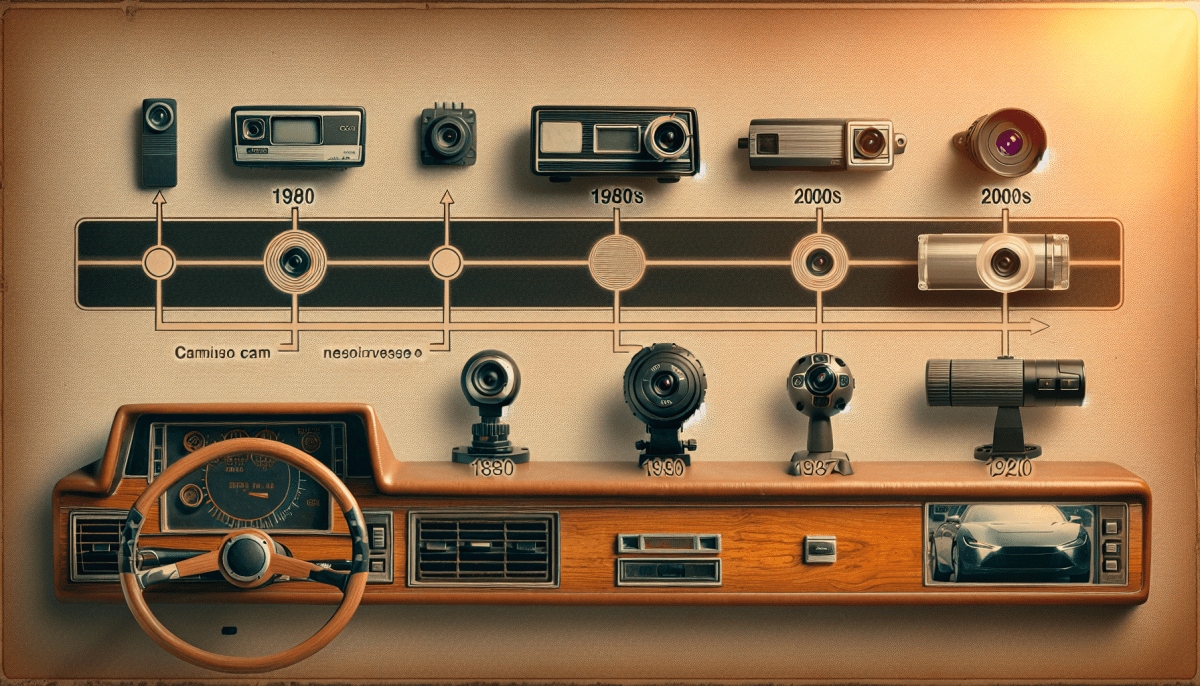
Over the years, tech has significantly changed how dash cams are designed and function. Early models were pretty basic, often just a simple camera that recorded footage. Fast forward to today, and we’ve got dash cams that come with all the bells and whistles!
One of the biggest game changers has been the introduction of high-definition video. Now, dash cams can capture crystal-clear images, allowing you to see crucial details like license plates in case of an incident. Plus, with the ability to record in 4K, you can expect even sharper visuals.
Connectability is another way tech has transformed these devices. Many dash cams now come with Wi-Fi or Bluetooth, making it easy to transfer footage to your smartphone or computer. This means you can quickly share videos with your insurance company or use them on social media. Who wouldn’t want to share that wild dashcam moment with friends?
And let’s not forget about the smart features! Some dash cams include built-in GPS, accident detection, and even parking mode. This means your dash cam can not only record your drives but also alert you if something happens when you're parked. It's like adding an extra layer of protection to your vehicle.
Future Trends in Dash Cam Technology
As technology continues to advance, the future of dash cam technology looks brighter than ever. One exciting trend is the improvement in video quality. While many dash cams already capture clear HD footage, manufacturers are now pushing for 4K resolution. This means even finer details, like license plates and road signs, will be crystal clear, offering better evidence in case of accidents.
Another trend to watch is the integration of artificial intelligence. Imagine your dash cam not only recording your drive but also identifying potential hazards on the road. Some upcoming models are expected to feature AI that can notify you of nearby pedestrians, road conditions, or even alert you if you're drifting out of your lane. This kind of smart technology could change the way we drive, enhancing safety and awareness.
Cloud storage is also on the rise. Instead of just saving footage on a memory card, future dash cams might automatically upload video to the cloud. This means you won’t have to worry about losing important evidence if your camera gets damaged. Plus, you’ll be able to access your footage from anywhere, making it super convenient.
Lastly, we can expect more features that focus on connectivity. With the growing popularity of smart devices, dash cams may soon sync with your smartphone to provide alerts about accidents or hazards in real-time. This kind of connected technology can help keep you informed and safe while you’re on the road.